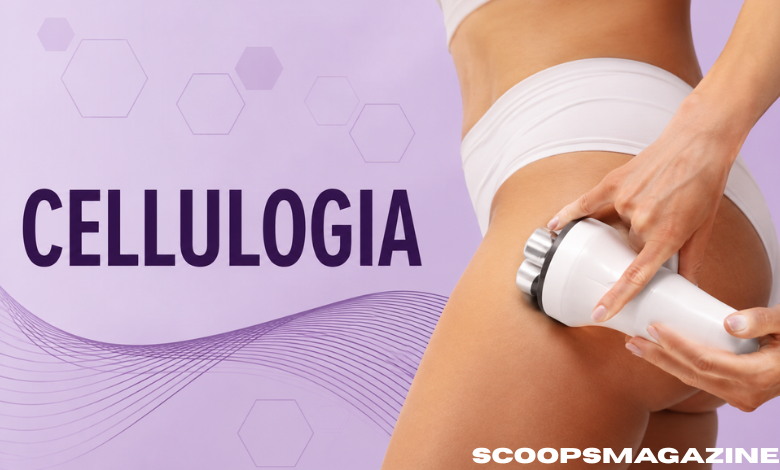
Cellulogia is a term that has started appearing in online discussions about cellulite, body care, skin texture, and cosmetic wellness practices. Although the word has a medical or scientific sound, it is not generally recognized as a separate field of medicine or a formal diagnosis. Instead, it can be understood as a broad concept connected with methods that aim to improve the visible texture of skin affected by cellulite. Discussions around cellulogia may include massage, exercise, skincare products, professional cosmetic procedures, hydration, nutrition, and other lifestyle practices. The main idea is not necessarily to promise permanent cellulite removal but to explore realistic ways of managing its appearance. Understanding this distinction is important because cellulite is a normal physical characteristic that affects many people, particularly women. The growing interest in cellulogia reflects the wider demand for practical information about body treatments and skin care without relying on unrealistic claims.
What Is Cellulogia?
Cellulogia can be described as an informal approach to understanding and managing the appearance of cellulite. The term is mainly used in beauty, skincare, and wellness-related content rather than established medical literature. It brings together different techniques and routines intended to make uneven skin texture appear less noticeable. These methods can range from simple home practices to treatments performed in cosmetic clinics. Since cellulogia has no single official definition, its meaning may change depending on the website, practitioner, or brand using the term. In most cases, however, it refers to the study, discussion, or management of cellulite-related concerns. A responsible understanding of the concept should recognize that results vary widely and that no treatment can guarantee complete or permanent removal of cellulite for every person.
Understanding How Cellulite Forms
To understand the purpose behind cellulogia, it is necessary to know how cellulite develops. Beneath the skin are layers of fat and bands of connective tissue that help hold the skin to deeper structures. When fat cells push upward against the skin while connective bands pull downward, small depressions and raised areas can appear on the surface. This creates the familiar dimpled texture commonly associated with cellulite. The condition is most noticeable on the thighs, buttocks, hips, and abdomen, although it may develop in other areas. Cellulite is not caused simply by excess body weight because thin and physically active people can also have it. The structure of the skin, fat distribution, hormones, genetics, and age all influence how noticeable these changes become.
Why Cellulite Is More Common in Women
Cellulite occurs much more frequently in women because of differences in connective tissue structure, hormones, and fat distribution. In women, connective tissue beneath the skin is often arranged in a way that allows fat cells to press toward the surface more visibly. Men generally have a different tissue pattern that may make this type of dimpling less common. Hormonal factors can also affect fat storage, circulation, and skin structure. These biological differences help explain why cellulite should not automatically be viewed as evidence of poor health, lack of exercise, or weight problems. The cellulogia concept is therefore mainly concerned with cosmetic appearance and personal skin-care goals rather than treating a dangerous physical condition.
The Role of Genetics in Cellulite Development
Genetics can strongly influence whether a person develops visible cellulite and how early it begins to appear. Inherited characteristics may affect skin thickness, body shape, fat distribution, circulation, and connective tissue structure. Some people develop noticeable dimpling even when they maintain a stable weight and active lifestyle, while others may have very little cellulite despite having higher levels of body fat. This genetic influence is one reason why comparing treatment results between individuals can be misleading. A method that produces visible improvement for one person may have limited effects for another. Cellulogia-focused routines should therefore consider individual differences rather than presenting one technique as a universal solution.
How Aging Changes the Appearance of Cellulite
The appearance of cellulite may become more noticeable with age because the skin gradually changes in thickness, firmness, and elasticity. Collagen production tends to decline over time, and the supportive structures beneath the skin can weaken. Skin may become thinner, allowing underlying fat and connective tissue patterns to become easier to see. Changes in circulation, muscle mass, and body composition can also influence surface texture. For this reason, many cellulogia-related approaches focus on maintaining skin condition rather than targeting fat alone. Treatments designed to support collagen, improve temporary firmness, or stimulate tissue are often included in discussions about cellulite management for aging skin.
Massage and Its Place in Cellulogia
Massage is one of the most commonly discussed techniques associated with cellulite care. The process involves applying pressure and movement to areas where dimpling is visible. Depending on the technique, massage may help improve temporary circulation, reduce fluid buildup, and make the skin feel smoother for a period of time. Manual massage, rollers, handheld tools, and mechanical devices may all be used for this purpose. However, massage does not permanently change the basic structure responsible for cellulite. Any visible improvement may require regular sessions to maintain. Within cellulogia, massage is best viewed as a supportive practice rather than a guaranteed method of eliminating uneven skin texture.
Understanding Lymphatic Drainage Techniques
Lymphatic drainage is another practice sometimes included in cellulite-focused wellness routines. This type of gentle massage is intended to encourage the movement of lymphatic fluid through the body. When temporary fluid retention or swelling is present, reducing that buildup may change how certain areas of the body look and feel. However, lymphatic drainage should not be confused with permanent fat reduction or cellulite removal. Its effects are different from procedures designed to target connective tissue or fat cells. In a cellulogia routine, lymphatic techniques may be used as part of broader body care, particularly when the goal involves temporary reduction of puffiness and support for normal fluid movement.
Can Exercise Improve the Look of Cellulite?
Regular exercise can support overall body composition and muscle development, which may influence the appearance of cellulite. Strength training can build muscle beneath affected areas, while cardiovascular activity supports general fitness and weight management. Exercises targeting the legs, hips, and buttocks may create a firmer underlying structure that changes how the skin looks. However, exercise cannot guarantee that cellulite will disappear because the condition is influenced by factors beyond body fat. Even athletes can have visible dimpling. Cellulogia approaches that include exercise should therefore focus on realistic benefits such as stronger muscles, improved physical fitness, and possible changes in skin appearance rather than promising complete removal.
Nutrition and Skin Appearance
Food choices can support general skin health, but no particular food has been proven to erase cellulite. A balanced diet that includes protein, fruits, vegetables, whole grains, and healthy fats provides nutrients needed for normal tissue function. Maintaining a stable body weight may also prevent large changes in fat volume that could affect the appearance of the skin. Excessive dependence on restrictive diets or so-called detox plans is unnecessary for managing cellulite. Within a sensible cellulogia approach, nutrition should be considered part of general health and skin support rather than a quick cosmetic treatment. Long-term eating habits are usually more practical than short periods of extreme dietary restriction.
The Importance of Hydration
Drinking enough fluids supports normal body functions and contributes to general skin health, although hydration alone cannot remove cellulite. Dehydrated skin may sometimes appear dry or less smooth, making existing texture more noticeable. Maintaining appropriate fluid intake can support normal circulation and tissue function, but claims that large amounts of water can flush away cellulite are misleading. The amount of water a person needs depends on activity level, climate, diet, and individual health circumstances. In cellulogia discussions, hydration is best presented as a basic wellness habit rather than a direct treatment for the structural causes of cellulite.
Topical Creams and Cellulite Products
The skincare market includes many creams, lotions, oils, and gels promoted for improving the appearance of cellulite. These products may contain ingredients such as caffeine, retinoids, botanical extracts, or moisturizing compounds. Some ingredients can temporarily tighten the skin or improve surface texture, while regular moisturizing may make dry skin look smoother. However, topical products generally cannot reach deep enough to completely change the connective tissue structure beneath the skin. Results may also disappear after product use stops. A realistic cellulogia routine can include topical skincare, but consumers should carefully examine product claims and understand the difference between temporary cosmetic improvement and permanent structural change.
Dry Brushing and Body Care Practices
Dry brushing involves moving a firm-bristled brush across dry skin before bathing or showering. Supporters often claim that it improves circulation, removes dead skin cells, and supports lymphatic movement. The most noticeable effect is usually exfoliation, which can leave the surface of the skin feeling smoother. Evidence for permanent cellulite reduction through dry brushing remains limited. Excessive pressure may also cause irritation, particularly in people with sensitive skin. From a cellulogia perspective, dry brushing can be considered an optional body-care technique rather than a proven solution. Gentle use and realistic expectations are important when including it in a regular routine.
Professional Non-Invasive Treatments
Professional cellulite treatments may use mechanical massage, radiofrequency energy, acoustic waves, lasers, or other technologies. These procedures are generally designed to affect skin texture, connective tissue, circulation, or collagen production without traditional surgery. The number of sessions required and the length of results vary according to the treatment and the individual receiving it. Some procedures may produce noticeable improvement, while others provide only modest or temporary changes. Costs can also be significant because maintenance appointments may be necessary. Anyone considering professional cellulogia-related treatments should ask about expected results, possible side effects, treatment frequency, and the qualifications of the practitioner.
Radiofrequency Treatments and Skin Firmness
Radiofrequency procedures use controlled energy to heat targeted tissue beneath the skin. The treatment is commonly offered for skin tightening and body contouring, and it may also be promoted for reducing the visible appearance of cellulite. Heating tissue can stimulate biological processes related to collagen and may create temporary or gradual changes in skin firmness. Results depend on the technology used, the treatment area, and individual skin characteristics. Multiple appointments are often recommended. Radiofrequency should not be presented as a permanent cure for cellulite, but it may be one of several professional options considered within a broader cellulogia approach.
Acoustic Wave and Mechanical Therapies
Some clinics use acoustic waves or mechanical devices to treat areas affected by cellulite. Acoustic wave treatments send energy through the tissue, while mechanical systems may combine suction, rollers, or massage movements. The purpose is generally to influence circulation, tissue flexibility, and surface appearance. Research and treatment outcomes vary, meaning results cannot be guaranteed for every patient. Improvement may require a series of sessions and continued maintenance. People exploring these methods should obtain clear information about treatment limitations before committing to expensive packages. Cellulogia should encourage informed decisions rather than assuming that newer equipment automatically produces better long-term outcomes.
Why Cellulite Cannot Always Be Permanently Removed
One of the most important facts about cellulite is that complete permanent removal is difficult. The condition develops because of several structural and biological factors, including genetics, hormones, connective tissue patterns, skin thickness, and fat distribution. A treatment may improve one factor without changing the others. Weight loss may reduce fat volume but leave connective tissue patterns unchanged. A skincare product may improve surface hydration without affecting deeper structures. Professional procedures may provide stronger results but still require maintenance. Understanding these limitations allows cellulogia to be approached realistically, with the goal of managing appearance rather than chasing promises that may not be achievable.
Common Misconceptions About Cellulite
Many misconceptions continue to influence how people think about cellulite. One common belief is that only overweight individuals develop it, but cellulite can occur across a wide range of body sizes. Another misconception is that poor hygiene or toxins are responsible for skin dimpling. There is no simple explanation involving dirt or toxins that accounts for the structural changes associated with cellulite. Sweating, detox drinks, and extreme diets cannot automatically remove it. Cellulogia information should separate established facts from marketing claims so readers can make better decisions about products, treatments, and personal care routines.
Building a Practical Cellulogia Routine
A practical cellulite-care routine should be simple enough to maintain and realistic about possible results. Regular physical activity, balanced nutrition, suitable hydration, basic skincare, and healthy weight management can support overall well-being and skin condition. Massage or exfoliation may be added for people who enjoy these practices, while professional treatments can be considered after reviewing their costs, risks, and expected outcomes. Constantly switching between products and procedures may make it difficult to judge whether any particular method is useful. A consistent routine followed over a reasonable period provides a better opportunity to evaluate changes in skin appearance.
Safety Considerations Before Starting Treatments
Safety should remain an important part of any cellulogia-related treatment plan. Not every cosmetic procedure or massage technique is suitable for every person. Individuals with certain skin conditions, circulation problems, medical devices, pregnancy-related concerns, or other health issues may need professional advice before undergoing treatments. Skin irritation, bruising, swelling, discomfort, and temporary redness can occur with some procedures. Choosing trained practitioners and asking questions before treatment can reduce unnecessary risks. Consumers should also be cautious about businesses that guarantee permanent results, use unclear treatment descriptions, or pressure customers into purchasing expensive packages without explaining possible limitations.
How to Evaluate Cellulogia Products and Services
The growing market for body treatments makes careful evaluation necessary. Before purchasing a product or booking a procedure, consumers should examine what the treatment actually claims to do. Statements about smoother-looking skin are different from promises of permanent cellulite removal. Reliable providers should explain the treatment process, expected number of sessions, possible side effects, maintenance requirements, and total costs. Before-and-after photographs can provide some information, but lighting, posture, and camera angles may influence appearance. A sensible cellulogia approach depends on asking practical questions and avoiding decisions based entirely on advertising language.
The Psychological Side of Cellulite Concerns
Concerns about cellulite are often influenced by beauty standards, advertising, edited photographs, and social media content. Because cellulite is extremely common, completely smooth skin should not be treated as the normal condition that everyone must achieve. Some people choose treatments because they personally prefer a smoother appearance, while others may feel pressure created by unrealistic images. Cellulogia discussions should acknowledge this difference. Cosmetic care can be a personal choice, but accurate information helps prevent normal body characteristics from being presented as serious defects requiring constant correction.
Choosing Between Home Care and Professional Treatment
The decision between home-based care and professional treatment depends on personal goals, budget, available time, and expectations. Home routines such as exercise, moisturizing, massage, and exfoliation are generally less expensive and easier to continue, but visible changes may be limited. Professional procedures can use technologies that are not available for home use, although they may require repeated sessions and significant expense. Neither approach guarantees permanent cellulite removal. A balanced cellulogia strategy may involve basic home care first, followed by professional consultation if a person wants to explore additional cosmetic options.
The Future of Cellulogia and Cellulite Care
Interest in cellulite treatments is likely to continue as cosmetic technology and skincare research develop. New devices, treatment combinations, and products may offer different ways to manage skin texture, but careful evaluation will remain necessary. A new treatment is not automatically effective simply because it uses advanced technology or unfamiliar terminology. Future cellulogia discussions may increasingly focus on evidence, realistic treatment goals, and personalized care based on skin characteristics. Clear information will remain important because consumer interest in cellulite reduction continues to create opportunities for both useful treatments and exaggerated marketing claims.
Conclusion
Cellulogia is best understood as an informal concept connected with cellulite management, skin appearance, and body-care practices rather than an established medical specialty. It covers a wide range of approaches, including exercise, nutrition, hydration, skincare, massage, and professional cosmetic procedures. The effectiveness of these methods varies because cellulite itself is influenced by genetics, hormones, aging, fat distribution, and connective tissue structure. Some techniques may temporarily improve smoothness or firmness, while certain professional treatments may provide more noticeable changes. However, permanent removal remains difficult, and unrealistic promises should be treated carefully. A practical approach to cellulogia focuses on accurate information, safe treatment choices, consistent routines, and reasonable expectations about what cellulite-care methods can actually achieve.