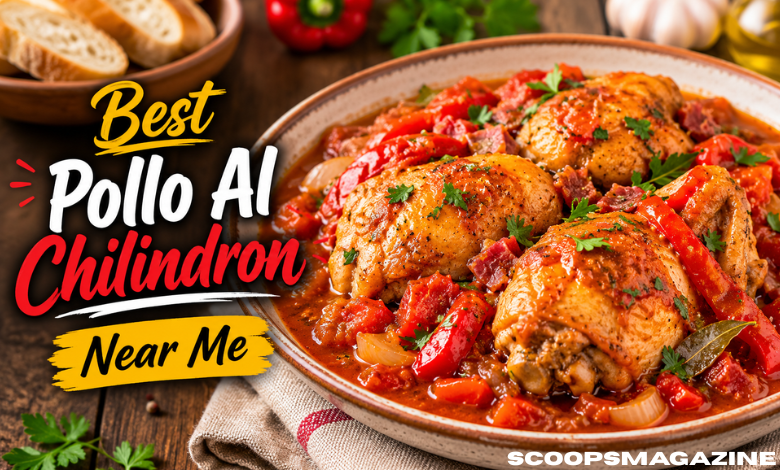
Searching for the best Pollo Al Chilindron near me usually means looking for something different from ordinary grilled, roasted, or fried chicken. Pollo al Chilindrón is a traditional Spanish dish built around slow cooking, a tomato-based sauce, peppers, onions, garlic, and other simple ingredients. The result is a complete meal with a strong connection to regional Spanish cooking. Finding this dish locally may require more effort than searching for popular Spanish foods such as paella or tapas. Not every Spanish restaurant serves Pollo al Chilindrón, and restaurants that do offer it may prepare the recipe differently. Some follow a traditional approach, while others make changes based on local ingredients, customer preferences, or the restaurant’s cooking style.
The best way to find a good version is to understand what the dish should contain, how it is traditionally prepared, and what signs indicate careful cooking. Menu descriptions, restaurant specialties, customer reviews, food photos, and direct questions to restaurant staff can all help with the search.
What Is Pollo Al Chilindron?
Pollo al Chilindrón is a Spanish chicken dish commonly associated with Aragón and nearby regions of Spain. It consists of chicken cooked in a sauce made primarily from tomatoes, red peppers, onions, garlic, and olive oil. Wine and cured ham may also be included, depending on the recipe. The cooking process is an important part of the dish. Instead of preparing the chicken and sauce separately, the ingredients are usually cooked together so their flavors combine. The chicken releases juices into the sauce, while the vegetables, wine, and seasonings gradually influence the meat.
This creates a dish that is different from chicken served with sauce poured over it at the end. In Pollo al Chilindrón, the sauce is part of the cooking method itself. A properly prepared plate should have tender chicken surrounded by a developed vegetable sauce rather than a thin liquid or a heavy cream-based gravy.
The Regional Background of Pollo Al Chilindron
Pollo al Chilindrón has strong roots in northeastern Spain, particularly Aragón. The regional cooking of this area often depends on practical ingredients, straightforward preparation, and recipes that developed around local agriculture. Tomatoes and peppers play a central role in the dish. These vegetables are cooked until they soften and form the foundation of the sauce. Onion and garlic provide additional flavor, while olive oil supports the cooking process.
Some versions include jamón serrano or another Spanish cured ham. This adds saltiness and a deeper meat flavor without changing the basic character of the recipe. Like many traditional dishes, there is no single recipe followed by every household and restaurant. Differences in cooking time, wine selection, pepper varieties, chicken cuts, and seasonings are common. However, the basic identity of the dish remains connected to chicken cooked slowly in a tomato and pepper mixture.
Why People Search for the Best Pollo Al Chilindron Near Me
People search for this dish for several reasons. Some have eaten it while traveling in Spain and want to experience it again. Others discover it through cooking programs, food websites, social media, or recommendations from people familiar with Spanish cuisine. There is also growing interest in Spanish food beyond the most widely recognized dishes. Many diners know about paella, croquetas, tortilla española, and patatas bravas. Once they become familiar with those foods, they often begin exploring regional dishes.
Pollo al Chilindrón fits that interest because it represents a different side of Spanish cooking. It is based on chicken and vegetables rather than seafood, rice, or small tapas portions. For diners who prefer familiar ingredients but want to try a traditional Spanish preparation, it can be an accessible choice.
What Makes a Good Pollo Al Chilindron?
The quality of Pollo al Chilindrón depends on balance rather than complicated presentation. Chicken, peppers, tomatoes, onions, garlic, olive oil, and seasonings should work together without one ingredient completely dominating the plate. The chicken should be properly cooked and tender. Dry meat may suggest that it was cooked too quickly, reheated too long, or prepared separately from the sauce.
The sauce should also have enough time to develop. Raw-tasting onions, firm peppers, or watery tomatoes can indicate rushed preparation. The vegetables should be cooked until their individual textures become part of a consistent sauce. Salt is another important consideration. When cured ham is included, the kitchen must account for its natural salt content. Adding too much additional salt can make the final dish unbalanced.
The Importance of Chicken Quality
Chicken is the main ingredient, so its preparation directly affects the entire meal. Traditional recipes often use bone-in chicken pieces because bones and skin can contribute additional flavor during cooking. Some restaurants may use boneless chicken for convenience or easier serving. This does not automatically mean the dish will be poor, but the cooking method becomes even more important. Boneless chicken can dry out quickly if it remains over heat for too long.
When ordering, look for chicken that is moist and easy to cut. It should have absorbed some flavor from the sauce without losing its natural texture. A large serving does not necessarily indicate better quality. A smaller portion of carefully cooked chicken may provide a better experience than an oversized plate of dry meat covered with sauce.
Understanding the Chilindron Sauce
The sauce is the defining feature of Pollo al Chilindrón. It generally begins with onions, garlic, and peppers cooked in olive oil. Tomatoes are then added, followed by wine and other ingredients depending on the recipe. Time changes the character of the sauce. Tomatoes lose some of their raw acidity, peppers soften, onions become sweeter, and the cooking liquid becomes more concentrated.
The finished sauce should have enough body to stay around the chicken while still being suitable for eating with bread or another side. It should not resemble tomato soup, pasta sauce, or thick commercial gravy. Color can vary depending on the ingredients and preparation. Some sauces are bright red, while others appear darker because of longer cooking times or the addition of wine and cured ham.
How to Search for Pollo Al Chilindron Locally
A general search for Spanish restaurants may produce too many results. A more focused approach can save time. Start by searching for the exact dish name. Check restaurant menus rather than assuming every Spanish restaurant serves it. Regional restaurants, tapas bars, family-owned Spanish establishments, and restaurants specializing in northern Spanish cuisine may be more likely to offer the dish.
It is also useful to try alternative spellings. Online menus may list the dish as Pollo al Chilindrón, Pollo Chilindrón, Chicken Chilindrón, or Spanish chicken with peppers and tomatoes. Restaurant websites and recent menu photos can provide useful information. However, menus change, so calling the restaurant before visiting can prevent disappointment.
Reading Restaurant Reviews Carefully
Reviews can help identify good restaurants, but general star ratings do not always provide enough information about a specific dish. Search within the reviews for words such as “chilindrón,” “chicken,” “Spanish stew,” or “traditional food.” Comments from customers who actually ordered the dish are more useful than reviews discussing unrelated menu items.
Look for repeated observations. If several diners mention tender chicken, a balanced sauce, generous portions, or traditional preparation, that information may be useful. The same principle applies to negative comments. One complaint may reflect personal preference, but repeated reports of dry chicken, excessive salt, watery sauce, or inconsistent preparation deserve attention. Recent reviews should generally receive more consideration because restaurant menus, chefs, ingredients, and management can change over time.
Using Food Photos as Part of Your Search
Food photos cannot tell you everything about flavor, but they can provide clues about preparation and presentation. Look at customer-uploaded photos when available. Restaurant marketing images are often carefully arranged, while customer photos may show what the food normally looks like when served.
The chicken should appear integrated with the sauce rather than sitting separately from it. Visible pieces of cooked peppers, tomatoes, and onions are common. The plate should look like a slow-cooked chicken dish rather than fried chicken topped with red sauce. Photos can also help you understand portion size and side dishes. This is useful when comparing menu prices between restaurants.
Traditional Preparation Versus Modern Restaurant Versions
Restaurants do not always follow traditional recipes exactly. Some use boneless chicken breast, reduce the amount of olive oil, leave out cured ham, or change the sauce consistency. These changes are not necessarily bad. A modified version can still be carefully prepared and enjoyable. The important issue is whether the restaurant maintains the central character of the dish.
A version that uses chicken cooked with peppers, tomatoes, onions, and garlic can still reflect the basic idea of Pollo al Chilindrón. However, if the dish is heavily covered with cheese, cream, or unrelated sauces, it may be far removed from the traditional preparation.Diners specifically seeking regional Spanish food should read the menu description and ask questions about the recipe.
What to Ask Before Ordering
If the menu does not provide much information, asking a few simple questions can help. You can ask whether the chicken is cooked in the sauce or prepared separately. You may also want to know whether the dish contains cured ham, what type of chicken pieces are used, and whether it is prepared fresh or reheated.
People with dietary restrictions should be especially careful. The presence of jamón serrano or other cured pork products may not always be obvious from a short menu description. Asking questions is also useful when ordering online. A restaurant may be willing to explain the ingredients over the phone even when its delivery menu provides limited details.
Common Side Dishes Served with Pollo Al Chilindron
Pollo al Chilindrón can be served with several different sides. Bread is a common choice because it works well with the tomato and pepper sauce. Potatoes may also be served roasted, fried, or prepared in another simple style. Rice is sometimes offered, especially at restaurants adapting the dish for local customers.
A basic vegetable side or salad can provide contrast to the cooked sauce and chicken. The side dish should support the main course rather than compete with it. Since Pollo al Chilindrón already contains several strong ingredients, simple accompaniments often work best.
Ordering Pollo Al Chilindron for Delivery
Delivery can be convenient, but this type of food needs proper packaging. Sauce-based chicken dishes can spill, lose heat, or arrive with poor texture if they are transported carelessly. Check delivery reviews when possible. Comments about packaging, temperature, portion size, and consistency are useful.
Pollo al Chilindrón generally travels better than some fried foods because its identity does not depend on maintaining a crisp coating. However, long delivery times can still affect the chicken and sauce. Ordering from a nearby restaurant may improve the chances of receiving the meal at a suitable temperature.
How Price Relates to Quality
The most expensive Pollo al Chilindrón is not automatically the best. Restaurant location, service style, rent, portion size, and ingredient sourcing all influence menu prices. Instead of looking only at cost, compare what the restaurant offers. Consider whether the dish is prepared in-house, what type of chicken is used, whether traditional ingredients are included, and what comes with the meal.
A moderately priced family-run restaurant may prepare an excellent version, while a more expensive restaurant may focus more heavily on presentation. Value depends on cooking quality, portion size, ingredients, and the overall dining experience.
Signs That a Restaurant Takes Spanish Cooking Seriously
A restaurant does not need a large menu to demonstrate knowledge of Spanish food. In fact, a focused menu can sometimes indicate greater attention to preparation. Look for regional dishes alongside familiar options. A menu that explains ingredients and cooking methods can also help diners understand what they are ordering.
The presence of Spanish wines, traditional appetizers, regional stews, and carefully described main courses may suggest that the kitchen has a broader understanding of the cuisine. However, menu appearance alone is not enough. Reviews, food quality, consistency, and service remain important.
Can You Find Pollo Al Chilindron Outside Spanish Restaurants?
Pollo al Chilindrón may occasionally appear at European restaurants, Mediterranean establishments, food festivals, cultural events, or temporary chef menus. Pop-up dinners and Spanish food events can also be useful places to find regional dishes that are not regularly available in local restaurants.
Special menus are worth checking because some restaurants offer Pollo al Chilindrón seasonally rather than keeping it available throughout the year. Local Spanish cultural organizations and food communities may also share information about restaurants and events serving traditional dishes.
Should You Try Making It at Home?
If there are no restaurants serving the dish nearby, home preparation is another option. The ingredients are generally available in regular supermarkets, although authentic Spanish cured ham and certain peppers may require a specialty store. Making the dish at home also helps you understand why cooking time matters. The process involves developing the vegetable mixture, browning or preparing the chicken, combining the ingredients, and allowing enough time for the flavors to come together.
Home cooks can adjust salt, pepper, wine, and sauce consistency according to preference while keeping the main structure of the recipe. Trying a homemade version may also make it easier to evaluate restaurant versions later.
Mistakes to Avoid When Searching for This Dish
One common mistake is choosing a restaurant based only on its overall rating. A restaurant may have excellent paella but an average chicken dish. Another mistake is assuming that every Spanish restaurant offers Pollo al Chilindrón. Checking the current menu is important.
Depending entirely on food photos can also be misleading. Appearance does not reveal seasoning, chicken texture, temperature, or freshness. Finally, avoid assuming that a restaurant version must match one exact recipe. Regional and family variations are normal. Focus on ingredient quality, preparation, balance, and whether the dish maintains its basic Spanish identity.
How to Choose Between Several Local Options
When several restaurants offer Pollo al Chilindrón, compare them using practical information. Start with recent reviews that mention the dish directly. Next, examine menu descriptions and customer photos. Compare prices, portion sizes, restaurant distance, side dishes, and whether the preparation appears traditional or modern.
For your first visit, dining at the restaurant may be better than ordering delivery. Eating the dish shortly after it leaves the kitchen gives you a clearer idea of the intended temperature and texture. After trying different versions, personal preference becomes more important. Some diners prefer a thicker sauce, while others want more peppers, noticeable wine flavor, or stronger cured ham notes.
Final Thoughts
Finding the best Pollo Al Chilindron near me involves more than selecting the closest Spanish restaurant. This regional chicken dish depends on careful cooking, a developed tomato and pepper sauce, properly prepared chicken, and a balanced combination of simple ingredients. The most effective search starts with understanding the dish itself. Check current menus, read reviews that specifically mention Pollo al Chilindrón, study recent customer photos, compare preparation styles, and contact restaurants when menu information is unclear.
A good version should reflect the basic character of traditional Spanish cooking: chicken cooked together with vegetables, olive oil, seasonings, and other ingredients until the flavors become part of one complete dish. Whether you find it at a regional Spanish restaurant, a small family-owned establishment, a food event, or prepare it at home, Pollo al Chilindrón offers a useful introduction to Spanish food beyond the dishes commonly found on international menus. The best local option is ultimately the one that combines careful preparation, balanced flavor, good ingredients, and consistency.