The term uyç is commonly associated with Turkey’s national qualifications system. Although the abbreviation UYÇ originally referred to Ulusal Yeterlilik Çerçevesi (National Qualifications Framework), the official framework is now known as Türkiye Yeterlilikler Çerçevesi (TYÇ). Despite this change, many people still search for or use the older abbreviation when looking for information about qualifications, diplomas, and education standards in Turkey. The framework was created to organize qualifications earned through schools, universities, vocational institutions, and professional training into a structured system. It provides a common way to understand what a qualification represents and how it compares with others. Whether someone completes secondary education, vocational training, or a doctoral degree, the framework helps define the level of knowledge, skills, and competence achieved.
This article explains what uyç means, why it was introduced, how the qualification framework operates, its eight qualification levels, and why it remains important for students, employers, and educational institutions.
What Is Uyç?
Uyç stands for Ulusal Yeterlilik Çerçevesi, which translates to National Qualifications Framework. It was designed to classify qualifications obtained through formal education, vocational education, lifelong learning, and professional certification. Instead of simply listing certificates or degrees, the framework explains what learners are expected to know and be capable of doing after completing a particular qualification. This approach focuses on learning outcomes rather than only the duration of study or the name of a program.
Although Turkey officially adopted the name Türkiye Yeterlilikler Çerçevesi (TYÇ), the abbreviation UYÇ continues to appear in older publications, educational discussions, and online searches. In practical terms, both terms refer to the national system used to organize educational qualifications.
Why Was the Qualifications Framework Created?
Before a national framework existed, comparing qualifications from different institutions could be difficult. Two certificates might have different titles even though they represented similar levels of learning. Employers and educational institutions often had limited information about what specific qualifications actually represented. The framework was introduced to solve these challenges by creating a consistent reference system. Every recognized qualification is assigned to a specific level based on defined standards.
Rather than relying solely on course names or institution reputations, qualifications are evaluated according to measurable learning outcomes. This makes it easier to compare different educational achievements across various sectors.
How the Framework Works
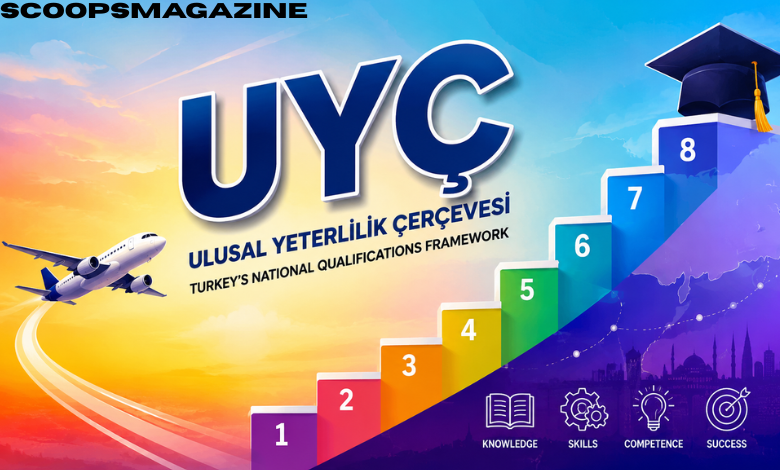
The Turkish qualifications framework organizes recognized qualifications into eight separate levels. Each level reflects increasing knowledge, practical skills, and professional responsibility.
When a qualification is placed within the framework, experts examine several factors, including:
- Knowledge gained
- Practical skills developed
- Ability to solve problems
- Level of independence
- Professional responsibility
- Decision-making capability
Instead of emphasizing how long someone studied, the framework focuses on what the learner can actually accomplish after completing the qualification.
This outcome-based approach allows different educational pathways to be evaluated fairly.
Learning Outcomes at the Center
One of the defining features of the framework is its emphasis on learning outcomes. A learning outcome describes what a learner should know, understand, or be able to perform after successfully completing an educational program. For example, a vocational graduate may demonstrate the ability to safely operate technical equipment, while a university graduate may be expected to conduct research, analyze information, or solve complex professional problems.
Because qualifications are evaluated using learning outcomes, employers can better understand the abilities of graduates regardless of where they studied.
The Eight Qualification Levels
The Turkish qualifications framework contains eight progressive levels. Each level represents increasing complexity, responsibility, and expertise.
Level 1
Level 1 includes the most basic learning achievements. Individuals develop simple knowledge and practical abilities that allow them to perform straightforward tasks under supervision.
This level serves as the starting point within the national framework.
Level 2
At Level 2, learners build upon basic knowledge and gain greater independence in performing routine activities.
People at this stage can complete familiar tasks while following established instructions and procedures.
Level 3
Level 3 introduces broader practical skills and increased responsibility.
Individuals can solve routine problems, apply acquired knowledge, and complete work with less supervision than earlier levels.
Vocational education often begins to align with qualifications found at this stage.
Level 4
Level 4 represents a more advanced stage of education and practical competence.
Graduates are expected to apply theoretical understanding alongside technical skills while taking responsibility for completing assigned work.
Many upper secondary qualifications fit within this category.
Level 5
Level 5 bridges vocational education and higher education.
Learners possess specialized knowledge within a particular field and can independently solve more complex workplace problems.
Many advanced vocational qualifications and associate degree programs correspond to this level.
Level 6
Level 6 generally represents bachelor’s degree qualifications.
Graduates are expected to possess comprehensive theoretical knowledge together with analytical thinking and professional decision-making abilities.
Individuals at this level can work independently while managing responsibilities within their profession.
Level 7
Level 7 corresponds to master’s degree qualifications.
Learning extends beyond applying existing knowledge toward evaluating research, developing solutions, and handling complex professional challenges.
Graduates demonstrate advanced analytical abilities and greater independence in decision-making.
Level 8
Level 8 represents doctoral education and the highest qualification within the framework.
Individuals are expected to contribute original research, generate new knowledge, and advance their professional or academic field through independent investigation.
This level requires strong analytical, research, and leadership abilities.
Organizations Responsible for the Framework
The qualifications framework is supported through cooperation among several public institutions responsible for education and workforce development. These organizations ensure qualifications meet national standards before being included within the framework.
Key contributors include educational authorities responsible for school education, higher education, vocational qualifications, and national policy development. Their cooperation allows qualifications from different educational sectors to follow a consistent structure.
Connection Between Education and Employment
One important purpose of the framework is strengthening the relationship between education and employment. Employers often need clear information about the abilities associated with different qualifications. Instead of relying only on diploma titles, employers can refer to qualification levels to better understand what graduates are expected to know and perform. This improves recruitment decisions while helping applicants explain the value of their education.
Support for Vocational Education
Vocational education forms an important part of the framework. Many professions require practical abilities rather than purely academic knowledge.
The qualifications framework recognizes vocational certificates alongside university degrees by assigning appropriate qualification levels. This approach acknowledges that technical education and practical training play valuable roles within the national education system.
Recognition of Different Learning Pathways
Learning does not occur only in universities. People may gain qualifications through vocational schools, apprenticeship programs, technical institutes, professional training, or lifelong learning activities. The framework provides a common structure that recognizes these different educational routes. This encourages individuals to continue developing skills throughout their careers.
Transparency for Students
Students often face questions about how different qualifications compare. The framework offers a clearer picture of educational progression by showing how one qualification relates to another. Students planning future studies can better understand the pathway from secondary education to vocational qualifications, bachelor’s degrees, master’s programs, and doctoral research. This transparency supports informed educational planning.
Benefits for Employers
Employers benefit because qualification levels describe expected competencies instead of relying only on educational titles. Recruiters can compare applicants from different educational backgrounds more consistently. The framework also supports workforce planning by identifying qualification requirements for different occupations. Businesses gain greater confidence that recognized qualifications meet established national standards.
Supporting Lifelong Learning
Education continues throughout a person’s career. Many individuals return to study after entering the workforce. The qualifications framework supports lifelong learning by recognizing qualifications earned at different stages of life. Whether someone completes a professional certificate after years of employment or pursues advanced education later in life, the framework provides a structured method for recognizing those achievements.
Alignment with International Standards
Many countries have developed national qualifications frameworks. Turkey’s framework follows internationally recognized principles so qualifications can be understood more easily beyond national borders. Although each country maintains its own education system, comparable qualification levels improve international understanding between educational institutions and employers. This supports academic cooperation and professional mobility.
How Qualifications Are Added
Not every certificate automatically becomes part of the national framework.
Qualifications undergo evaluation before inclusion.
The review process considers:
- Learning outcomes
- Educational quality
- Assessment methods
- Professional standards
- Competency requirements
Only qualifications meeting established criteria receive official placement within the framework.
Checking the Level of a Qualification
People who hold Turkish qualifications may wish to know the official framework level assigned to their diploma or certificate. Many educational documents include qualification information directly. When additional verification is needed, qualification databases maintained by relevant educational authorities allow users to check whether a qualification is officially recognized and identify its assigned framework level. This information can be useful when applying for employment or continuing education.
Difference Between UYÇ and TYÇ
A common source of confusion involves the names UYÇ and TYÇ.
UYÇ was the earlier abbreviation referring to the National Qualifications Framework.
Later, Turkey officially adopted the name Türkiye Yeterlilikler Çerçevesi (TYÇ) to represent the national qualifications framework.
Although the terminology changed, the main objective remained the same: organizing qualifications within a structured national system based on learning outcomes.
Because older documents continue to use UYÇ, both abbreviations still appear in educational discussions.
Importance for Universities
Universities benefit from the framework because it helps define expected outcomes for degree programs.Academic departments can design courses that align with nationally recognized qualification standards. Graduates also benefit because employers gain a clearer understanding of what each qualification level represents. The framework therefore strengthens communication between higher education institutions and the labor market.
Importance for Professional Development
Many occupations require workers to update their knowledge throughout their careers. Professional certificates, technical training, and continuing education programs contribute to career advancement. The qualifications framework provides recognition for these achievements when they meet national standards. This encourages continuous professional development while maintaining educational quality.
Common Misunderstandings About Uyç
Some people assume the framework simply ranks educational institutions. In reality, it does not evaluate schools or universities. Instead, it classifies qualifications according to learning outcomes and competency standards. Another misconception is that the framework replaces diplomas. It does not. Diplomas remain official educational documents, while the framework explains their qualification level within the national system. Some also believe only university degrees are included. In fact, vocational education, technical qualifications, and other recognized certifications may also be part of the framework.
The Future of the Qualifications Framework
As education evolves, qualification systems continue to adapt to changing workforce needs. New industries, digital technologies, and emerging professions create demand for updated qualifications and competency standards. The framework provides flexibility for recognizing new qualifications while maintaining consistency across educational sectors. This ongoing development helps ensure qualifications remain relevant to both education and employment.
Conclusion
Uyç, originally referring to Ulusal Yeterlilik Çerçevesi, represents Turkey’s structured approach to organizing educational and professional qualifications. Although the official name has changed to Türkiye Yeterlilikler Çerçevesi (TYÇ), the framework continues to serve the same purpose: providing a clear system for classifying qualifications according to knowledge, skills, and competence. Its eight qualification levels help students understand educational progression, assist employers in evaluating applicants, and support educational institutions in maintaining consistent standards. By focusing on learning outcomes rather than simply course titles or study duration, the framework offers a practical way to compare qualifications across different educational pathways.
Whether someone completes vocational training, earns a university degree, or pursues advanced academic research, the Turkish qualifications framework provides a common reference that improves transparency, recognition, and confidence in educational achievements.