Searching for the best masaco banana near me usually begins with an interest in traditional Bolivian food. Masaco banana, commonly associated with eastern Bolivia, is a filling dish made by cooking and mashing bananas or plantains with other ingredients. Depending on the recipe and regional tradition, cheese, dried meat, pork, or other additions may be mixed into the mashed base. Masaco is different from the sweet banana dishes commonly served as desserts. It is generally prepared as a savory meal or snack with a dense texture and simple ingredients. For people unfamiliar with Bolivian cuisine, finding good masaco can provide an introduction to the food traditions of the country’s eastern regions.
The challenge is that masaco is not available at every Latin American restaurant. Even restaurants serving South American food may focus on more widely known dishes. Finding a well-prepared serving often requires looking specifically for Bolivian restaurants, family-run food businesses, cultural events, or specialty food markets.
What Is Masaco Banana?
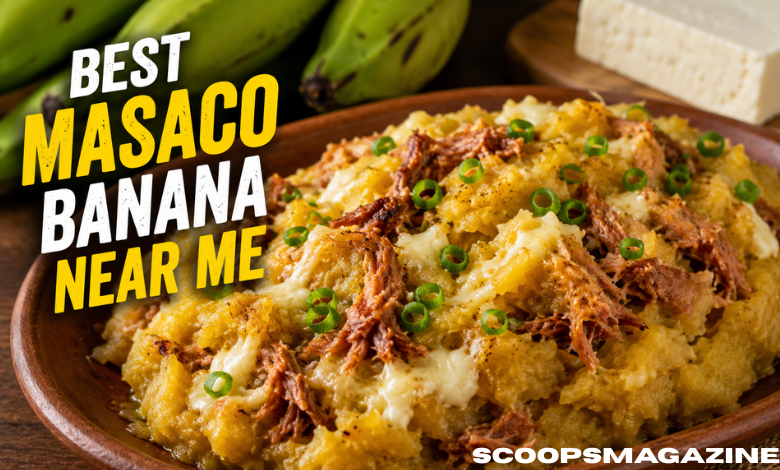
Masaco banana is a traditional Bolivian preparation based on cooked and mashed bananas or plantains. The main ingredient is usually boiled, roasted, or fried before being mashed. Cheese or meat may then be added to create a heavier and more complete dish. The word “masaco” refers to a style of mashed preparation rather than one single fixed recipe. This explains why different versions can vary in ingredients, appearance, and texture. One cook may prepare it with cheese, while another may use shredded or dried meat. Family traditions can also influence the amount of seasoning and the method used to cook the plantains.
Unlike smooth mashed potatoes or pureed vegetables, masaco often has a thicker and more substantial consistency. The preparation process combines the starchiness of the plantain with salty cheese or savory meat, producing a dish that can be eaten for breakfast, between meals, or as part of a larger plate.
The Bolivian Origins of Masaco
Masaco is strongly connected with the eastern regions of Bolivia, where plantains and other tropical ingredients are widely used in local cooking. The dish is particularly associated with areas where agricultural products such as bananas, cassava, rice, and corn have traditionally formed an important part of everyday meals. Its development reflects a practical approach to cooking. Plantains are affordable, filling, and suitable for several preparation methods. Mashing them with cheese or meat creates a meal that provides both carbohydrates and additional protein.
Over time, different households developed their own versions. Some recipes remained simple, while others included additional ingredients. This flexibility helped masaco remain part of home cooking even as eating habits changed. Outside Bolivia, the dish may be found in restaurants operated by Bolivian families or cooks familiar with regional cuisine. Availability can be limited, which is why people often search specifically for places serving authentic masaco.
Why People Search for the Best Masaco Banana Near Me
People searching for the best masaco banana near me may have different reasons for wanting the dish. Some grew up eating Bolivian food and want to find familiar flavors after moving to another city or country. Others may have discovered masaco through travel, friends, social media, or an interest in Latin American cooking. The growing availability of international restaurants has made it easier to discover regional dishes. However, less widely known foods such as masaco can still be difficult to locate.
Another reason for the search is convenience. Preparing traditional food at home can take time, especially when the cooking method is unfamiliar. Finding a restaurant that already knows how to prepare the dish correctly allows customers to experience it without buying ingredients and learning the process themselves.
What Makes a Good Masaco Banana?
The quality of masaco depends heavily on the preparation of the main ingredient. The bananas or plantains must be cooked until they are soft enough to mash while still maintaining enough structure to prevent the final dish from becoming watery. Texture is an important factor. Properly prepared masaco should feel substantial without being excessively dry or greasy. The plantain base needs to combine evenly with the cheese or meat.
Ingredient balance also matters. Too much cheese can overpower the plantain, while insufficient seasoning may leave the dish tasting plain. Meat-based versions require similar care because heavily salted or dry meat can dominate the entire preparation. Freshness is another consideration. Masaco is generally best when served soon after preparation. As it sits for long periods, the texture can become heavier and less pleasant.
Different Types of Masaco You May Find
Masaco is not limited to one recipe. Restaurants and households may prepare several variations based on local traditions and available ingredients. One common version is masaco with cheese. Cooked plantains are mashed and combined with cheese, creating a salty and filling dish. The type of cheese used can influence both the taste and consistency.
Another popular preparation uses meat. Shredded, dried, or cooked meat may be mixed into the mashed plantains. This version is usually heavier and may be served as a complete breakfast or meal. Some cooks prepare masaco using cassava instead of plantains. Although the main ingredient changes, the basic preparation method remains similar. The cassava is cooked, mashed, and combined with cheese or meat. These differences mean that two restaurants can serve noticeably different versions while still following Bolivian cooking traditions.
How to Find Masaco Banana Near You
Finding masaco may require a more focused search than looking for common restaurant foods. Starting with Bolivian restaurants is usually the most practical approach. Search engines, map applications, food delivery platforms, and local restaurant directories can help identify nearby options. Using specific search terms can improve the results. Instead of searching only for Latin American food, try terms such as “Bolivian restaurant,” “masaco de plátano,” “Bolivian breakfast,” or “traditional Bolivian food.”
Restaurant menus should be checked carefully because masaco may appear under a Spanish name. Some businesses may also serve it only during breakfast hours or on certain days. Calling the restaurant directly can save time. Staff can confirm whether the dish is currently available and explain which version they prepare.
Why Bolivian Restaurants Are the Best Place to Start
Bolivian restaurants are more likely to understand the traditional preparation methods behind masaco. A general Latin American restaurant may serve plantain dishes without offering this particular specialty. Restaurants operated by Bolivian cooks may also prepare regional variations that are difficult to find elsewhere. Their recipes may come from family cooking traditions rather than standardized commercial menus.
Smaller restaurants should not automatically be overlooked. A modest family-run establishment may have limited advertising but still prepare traditional dishes carefully. The size or appearance of a restaurant does not determine the quality of its masaco. Ingredients, cooking knowledge, and preparation methods are more useful indicators.
Checking Restaurant Menus Before Visiting
Reviewing a menu before traveling to a restaurant can prevent unnecessary trips. Many businesses now publish their menus online, although smaller establishments may use social media pages instead of official websites. Look for terms such as “masaco,” “masaco de plátano,” or “masaco con queso.” Meat versions may be identified by the type of meat included.
Keep in mind that online menus are not always current. A restaurant may stop serving a dish temporarily or offer it as a weekend special. If masaco is the main reason for your visit, contacting the restaurant before leaving is a sensible step.
Using Customer Reviews to Find Good Masaco
Customer reviews can provide useful information when searching for traditional food. The most helpful reviews usually mention specific dishes rather than offering general comments about the restaurant. Look for customers who discuss the masaco directly. Comments about texture, portion size, freshness, and preparation can provide a better idea of what to expect.
Reviews from Bolivian customers or people familiar with the cuisine may be particularly informative because they can compare the restaurant’s preparation with traditional versions. However, reviews should not be treated as the only deciding factor. Individual preferences vary, and a restaurant with a lower overall rating may still prepare a particular regional dish well.
Signs of Traditionally Prepared Masaco
Traditional preparation is often visible in the texture and balance of the finished dish. The plantain should be properly cooked and mashed rather than blended into a completely smooth paste. The cheese or meat should feel integrated into the mixture. Large amounts of oil should not collect around the plate, and the dish should not taste as though it has been reheated several times.
Traditional food does not need complicated presentation. Masaco is a straightforward dish, and its quality comes mainly from the ingredients and preparation. A simple serving prepared correctly can offer a more representative experience than a heavily modified version designed only for visual presentation.
What Does Masaco Banana Taste Like?
The taste depends on the type of plantain and the additional ingredients used. Green plantains generally produce a more savory and starchy flavor, while riper plantains can add mild sweetness. Cheese contributes saltiness and richness. Meat versions offer stronger savory flavors and a heavier texture.
The combination makes masaco different from ordinary mashed vegetables. It has the recognizable character of plantain while absorbing flavors from the ingredients mixed into it. People trying it for the first time should expect a dense and filling dish rather than a light snack.
When Is Masaco Usually Eaten?
Masaco can be eaten at different times of the day. In Bolivia, it is commonly associated with breakfast and afternoon meals, although serving habits can vary between families and regions. Its filling nature makes it suitable for mornings when a substantial meal is preferred. It can also be eaten as a snack alongside a drink.
Restaurants outside Bolivia may place masaco in different menu sections. It could appear under breakfast, appetizers, traditional dishes, or side orders. Understanding this can help when checking menus because the dish may not always be listed where a first-time customer expects to find it.
Ordering Masaco Banana for the First Time
When ordering masaco for the first time, ask the restaurant how it is prepared. The staff should be able to explain whether the dish contains cheese, beef, pork, or another ingredient. This is particularly important for customers with dietary restrictions. A version that appears to be based mainly on plantains may contain animal products or other ingredients.
It is also useful to ask about portion size. Masaco can be quite filling, and a serving intended as a main meal may be larger than expected. First-time customers may want to try the restaurant’s traditional version before requesting modifications. This provides a clearer understanding of how the dish is normally prepared.
Can You Order Masaco Banana for Delivery?
Delivery availability depends on local restaurants and food ordering platforms. Some Bolivian restaurants may offer masaco for pickup or home delivery. However, the dish is generally better when eaten fresh. Transportation time can affect its temperature and texture.
If ordering delivery, choose a restaurant located within a reasonable distance. Shorter travel times can help preserve the condition of the food. Reheating should also be done carefully because excessive heat can dry the mixture or affect the texture of the cheese.
Making Masaco Banana at Home
If there are no Bolivian restaurants nearby, preparing masaco at home is another option. The basic process begins with selecting plantains and cooking them until tender.
Depending on the recipe, the plantains may be boiled, fried, or roasted. They are then mashed while still warm. Cheese, cooked meat, or another traditional ingredient is mixed into the base.
The preparation may appear simple, but achieving the right consistency can require practice. Plantains that are undercooked can be difficult to mash, while overcooking may create an overly soft mixture.
Starting with a basic recipe allows home cooks to understand the dish before experimenting with additional ingredients.
Choosing Plantains for Homemade Masaco
The type and ripeness of the plantain can change the final result. Green plantains provide a starchier and more savory base. Riper plantains introduce additional sweetness. For a more traditional savory preparation, firmer plantains are often preferred. They should be cooked thoroughly before mashing.
When buying plantains, inspect the skin and firmness. Extremely soft fruit may not produce the desired texture for certain masaco recipes. Latin American, Caribbean, African, and international grocery stores often carry plantains when standard supermarkets have limited availability.
Masaco Banana Compared With Other Plantain Dishes
Plantains are used throughout Latin America, but cooking methods vary considerably. Masaco differs from fried plantain slices because the main ingredient is mashed and combined with other foods. It also differs from sweet plantain desserts. Even when ripe plantains are used, the dish may include savory ingredients such as cheese or meat.
Other countries have their own mashed plantain preparations, but masaco remains closely connected with Bolivian food culture. Learning these differences can help customers understand why searching specifically for masaco is more effective than simply looking for a restaurant serving plantains.
Why Authenticity Matters When Choosing Masaco
Authenticity in food does not necessarily mean that every recipe must be identical. Traditional dishes often change between households and regions. For masaco, authenticity is more closely connected with preparation methods, ingredient knowledge, and respect for the dish’s Bolivian background.
A restaurant may adjust certain ingredients because of local availability while still maintaining the essential characteristics of the dish. Customers interested in traditional food should focus on whether the restaurant understands what masaco is and prepares it carefully rather than expecting one universal recipe.
Questions to Ask Before Choosing a Restaurant
Before deciding where to eat, consider whether the restaurant specializes in Bolivian cuisine and whether masaco appears regularly on the menu. You can also ask which type of plantain is used, whether the dish contains cheese or meat, and whether it is prepared fresh.
Other practical questions include portion size, available side dishes, pickup options, and serving hours. These details can make the search more efficient, especially when several restaurants appear in local search results.
Enjoying Masaco as Part of a Bolivian Meal
Masaco can be eaten alone, but trying it alongside other Bolivian foods may provide a broader introduction to the country’s cuisine. Restaurants may serve traditional drinks, pastries, soups, meat dishes, and other regional specialties. Ordering several foods to share can help first-time visitors experience different ingredients and cooking styles.
Masaco itself represents the practical and regional character of Bolivian cooking. Its combination of plantains with cheese or meat turns basic ingredients into a substantial meal. For people already familiar with the dish, finding a restaurant that prepares it well can also provide a connection to familiar food traditions.
Final Thoughts
Finding the best masaco banana near me may take more effort than locating widely available Latin American dishes, but a focused search can improve the chances of discovering a good option. Bolivian restaurants, family-run food businesses, cultural events, and specialty markets are useful places to begin. A good masaco should have properly cooked plantains, a balanced texture, fresh ingredients, and cheese or meat that complements the main base. Checking menus, reading dish-specific reviews, and contacting restaurants before visiting can make the search easier.
If no nearby restaurant serves masaco, preparing it at home is a practical alternative. Whether eaten at a Bolivian restaurant or made in your own kitchen, masaco banana offers a direct introduction to an important part of eastern Bolivian food culture.