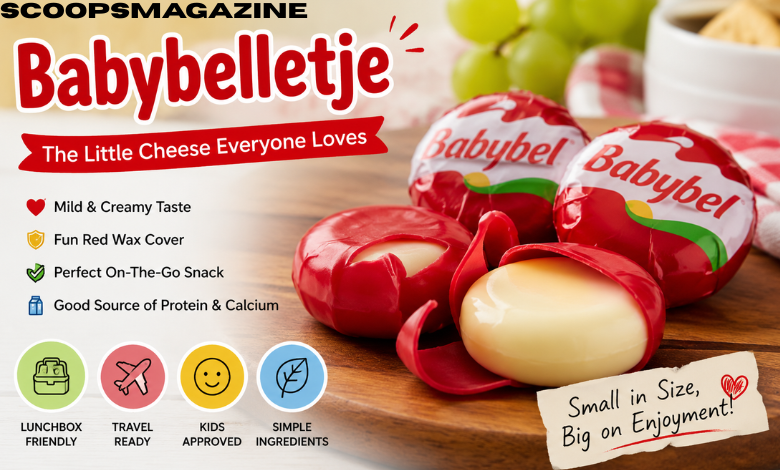
Babybelletje is a name that catches attention because it sounds friendly and familiar. Many people first notice it while shopping, packing school lunches, or searching for convenient snack options. Although the word may appear unique, it is commonly used as an affectionate way to refer to the well-known Mini Babybel cheese. The small size, recognizable red wax coating, and simple packaging have helped it become popular across different age groups.
People often search for Babybelletje to understand whether it is a separate product, a nickname, or another version of Babybel cheese. The answer is straightforward. In many Dutch-speaking communities, adding “tje” to a word creates a smaller or more affectionate version of it. As a result, Babybelletje simply refers to a little Babybel rather than a completely different product.
What Is Babybelletje?
Babybelletje is an informal name associated with Mini Babybel cheese, a small round cheese individually wrapped in a protective wax coating. The product is designed as a ready-to-eat snack that requires no cutting or preparation. Each piece is sealed to help preserve freshness until it is opened.
Unlike large cheese blocks that must be sliced before serving, Babybelletje is already portioned. This makes it practical for lunchboxes, travel, work breaks, and quick snacks at home. The wax covering also makes the product easy to carry without directly exposing the cheese until it is ready to eat.
The Meaning Behind the Name
The word Babybelletje combines the Babybel brand name with the Dutch diminutive ending “tje.” In Dutch, this ending is often added to make something sound smaller, friendlier, or more personal. It is commonly used in everyday conversation rather than as an official product name.
Because of this language pattern, many people naturally use Babybelletje when talking about the small cheese rounds. It reflects familiarity instead of creating a separate identity. While the official packaging usually says Mini Babybel, people may still refer to it as Babybelletje in conversation or online searches.
The History of Mini Babybel
The story behind Babybel begins with cheese production traditions that focused on creating practical dairy products with consistent quality. Over time, the small version known as Mini Babybel became widely available and gained popularity because it combined convenience with recognizable branding.
Its individually wrapped format helped distinguish it from many other snack cheeses. Instead of requiring extra packaging at home, every cheese arrived ready for individual use. As the product expanded into international markets, it became common in supermarkets, convenience stores, and school lunch sections.
Why the Red Wax Is So Recognizable
One of the first things people notice about Babybelletje is the bright red wax coating. Unlike ordinary plastic wrappers, this wax creates a distinctive appearance that immediately stands out on store shelves. It also protects the cheese during transportation and storage.
Many people enjoy peeling away the wax before eating the cheese. The process has become part of the overall experience rather than simply opening food packaging. Although the wax is not edible, it is designed to be removed easily, revealing the cheese inside without damaging it.
What Does Babybelletje Taste Like?
Babybelletje has a mild and creamy flavor that appeals to a wide range of people. It is neither extremely sharp nor heavily aged, making it suitable for children and adults alike. The texture is smooth and firm enough to hold its shape while remaining easy to bite.
Its balanced flavor allows it to be eaten alone or paired with many other foods. Some people enjoy it with crackers, while others combine it with fruit, vegetables, or bread. Since the taste is not overpowering, it fits well into different snack combinations without dominating other ingredients.
Ingredients Commonly Found in Babybelletje
The ingredients in Babybelletje are generally simple compared to many processed snack foods. The cheese is primarily made from milk, along with cultures, salt, and enzymes that help create its texture and flavor. Exact ingredients may vary slightly depending on the variety and country where it is sold.
Different versions may include reduced-fat options or cheeses made using alternative recipes. Reading the product label is the best way to understand the exact nutritional information and ingredient list for a specific package.
Nutritional Value
Babybelletje is often chosen because it provides protein and calcium in a convenient serving size. These nutrients contribute to a balanced diet when consumed as part of varied meals and snacks. Since each cheese is individually portioned, people can easily manage serving sizes.
Like many dairy products, Babybelletje also contains fat and sodium. The exact nutritional profile depends on the specific variety, including original, light, or specialty versions. People with dietary restrictions should always check the packaging before purchasing.
Different Varieties Available
Although the original Mini Babybel remains the best-known version, several other varieties are available in different regions. These options allow consumers to choose based on taste preferences or dietary needs.
Some versions focus on reduced fat, while others introduce different cheese styles. Availability often depends on the local market, so not every country offers the same selection. Seasonal or limited editions may also appear from time to time.
Why Babybelletje Is Popular With Families
Families often appreciate foods that are simple to prepare, easy to carry, and suitable for different age groups. Babybelletje fits these needs because every cheese comes individually wrapped and ready to eat. Parents frequently include it in lunchboxes because it requires no slicing or additional storage containers.
Children also enjoy opening the wax themselves, turning snack time into a small activity rather than simply eating. Adults appreciate the convenience during work breaks or while traveling, making the product useful for multiple members of the household.
A Convenient Snack for Busy Schedules
Modern lifestyles often leave little time for preparing snacks throughout the day. Babybelletje provides a practical solution because it requires no utensils, plates, or preparation. It can be stored in lunch bags or carried during daily activities with minimal effort.
Its compact size also makes portion control easier. Instead of cutting pieces from a larger block of cheese, people simply take one serving whenever they need a quick snack between meals.
How Babybelletje Fits Into Meals
Although Babybelletje is commonly eaten alone, it can also become part of larger meals. Some people slice it into salads for extra protein, while others add it to sandwiches or snack boards. It pairs well with fresh fruit such as apples or grapes, along with crackers and vegetables.
Its mild flavor also makes it useful for simple lunch combinations. Rather than replacing traditional cheese in cooking, it is generally enjoyed fresh because of its ready-to-eat design.
Storage and Freshness
Keeping Babybelletje fresh is relatively simple. It should generally be stored in the refrigerator according to the manufacturer’s recommendations. The protective wax and individual packaging help maintain quality until the cheese is opened.
Once the wax has been removed, the cheese should be eaten within a short period rather than stored uncovered. Following the expiration date printed on the packaging also helps ensure the best quality and safety.
Is the Red Wax Edible?
One of the most common questions people ask is whether the red wax should be eaten. The answer is no. The wax is intended only as a protective covering for the cheese and should always be removed before eating.
Many first-time buyers mistake it for part of the cheese because it fits tightly around the product. Fortunately, it peels away easily, leaving the cheese ready to enjoy.
Why People Search for Babybelletje Online
Online searches for Babybelletje usually come from curiosity rather than confusion about cheese itself. Some people encounter the word in social media posts or Dutch-language conversations and want to understand its meaning. Others search after seeing the product in stores for the first time.
There are also people looking for nutritional information, ingredients, flavor comparisons, storage advice, or serving ideas. Since the name is less common internationally than Mini Babybel, internet searches help clarify the connection between the two terms.
Is Babybelletje Different From Mini Babybel?
In most situations, Babybelletje and Mini Babybel refer to the same cheese product. The difference lies mainly in language rather than manufacturing. Babybelletje is an affectionate or informal way of referring to the familiar snack-sized cheese.
Consumers should not expect a different recipe simply because they encounter the alternative name. Instead, it reflects local language habits and everyday conversation.
Babybelletje Around the World
Mini Babybel is sold in many countries, making it one of the most recognized individually packaged cheeses available internationally. Although packaging and flavor options may vary by region, the familiar round shape and wax coating remain consistent.
Local languages sometimes create their own informal names for the product, just as Dutch speakers may use Babybelletje. These small language differences help the product feel more familiar to local consumers while maintaining the same identity.
Choosing Babybelletje as a Snack
People choose Babybelletje for different reasons. Some appreciate its convenient packaging, while others enjoy its mild flavor or easy portion size. It is often selected as an alternative to highly processed snack foods because it offers a simple dairy option.
Consumers interested in protein-rich snacks may also include it alongside fruit, nuts, or whole-grain crackers. The flexibility of the product allows it to fit many eating habits without requiring special preparation.
Common Misunderstandings About Babybelletje
Some people assume Babybelletje refers to a new cheese brand, while others believe it is a completely different product from Mini Babybel. In reality, these assumptions are usually incorrect. The name simply reflects a smaller, affectionate way of referring to the familiar cheese.
Another misunderstanding involves the wax coating. Since it surrounds the cheese completely, some first-time buyers wonder whether it is edible. Removing the wax before eating is always the correct approach.
Conclusion
Babybelletje is best understood as an informal name for the small Mini Babybel cheese that has become popular in homes, schools, and workplaces. Its practical size, protective wax coating, and mild flavor have helped it remain a reliable snack for many years. While the nickname comes from Dutch language traditions, the product itself is recognized far beyond Dutch-speaking regions.
Whether someone discovers the name through conversation, online searches, or supermarket shelves, understanding Babybelletje is straightforward. It represents the same convenient cheese snack that many people already know, packaged in a way that makes it easy to carry, easy to serve, and simple to enjoy.